
What Is Oxygen Deficiency?
Oxygen deficiency is an atmosphere containing less than 19.5% oxygen by volume, the threshold defined by OSHA 29 CFR 1910.146 below which entry into a confined space is considered hazardous without monitoring or respiratory protection. Normal atmospheric oxygen is 20.9%.
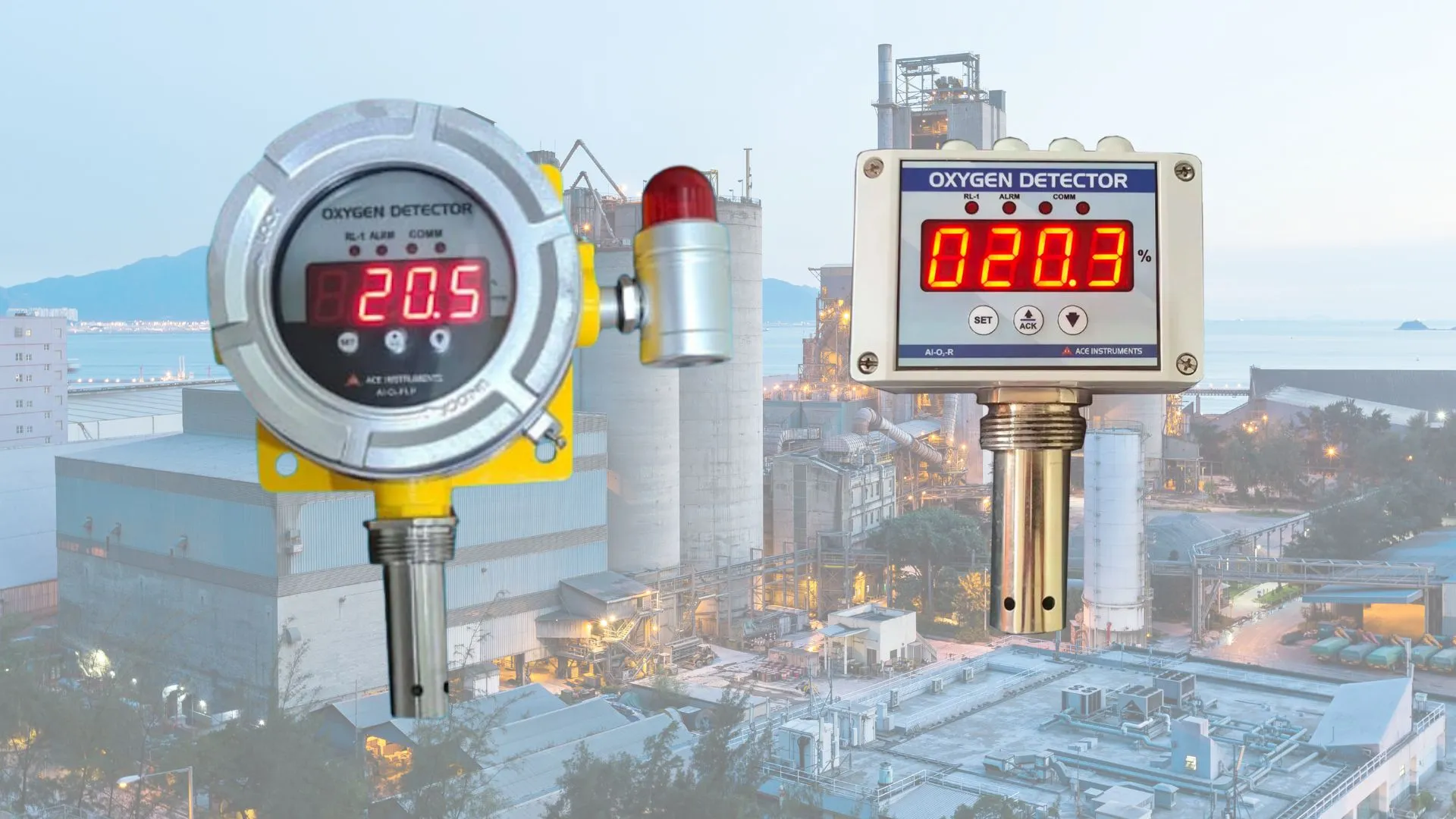
Oxygen deficiency is an atmosphere containing less than 19.5% oxygen by volume, the threshold defined by OSHA 29 CFR 1910.146 below which entry into a confined space is considered hazardous without monitoring or respiratory protection. Normal atmospheric oxygen is 20.9%.
Oxygen Level Reference
Oxygen concentration in ambient air directly affects worker safety, and even small deviations from normal levels can have serious consequences. This is why continuous monitoring with a reliable oxygen transmitter like the AI-O2 is essential in confined spaces, cleanrooms, and industrial environments where oxygen displacement or enrichment can occur without warning.
Here's how oxygen levels translate to real-world risk:
- Above 23.5%: Oxygen-enriched atmosphere, significantly increases fire and combustion risk
- 20.9%: Normal atmospheric oxygen level, the baseline for safe breathing air
- 19.5%: OSHA-defined minimum threshold; below this, the atmosphere is classified as oxygen-deficient
- 16%: Dizziness and impaired judgement begin to set in, increasing accident risk
- 12–14%: Rapid fatigue and reduced coordination, workers may not recognize the danger they're in
- Below 6%: Fatal within minutes without immediate intervention
This is precisely why real-time, continuous oxygen monitoring isn't optional in high-risk environments — early detection at the 19.5% threshold gives workers and safety teams the critical window needed to respond before conditions become life-threatening.
Where Oxygen Deficiency Risk Occurs
Confined spaces such as tanks, vessels and pits are the classic OSHA 29 CFR 1910.146 scenario, but oxygen deficiency risk also occurs in nitrogen-purged process areas, IVF laboratory incubator rooms using nitrogen for atmosphere control, and server rooms protected by inert-gas fire suppression systems, where a discharge event can rapidly displace breathable oxygen in an occupied space.
Where an inert-gas fire suppression system protects a server room or archive, periodic functional testing of the suppression system itself should be paired with continuous oxygen monitoring in the protected space, since an accidental discharge during occupied hours is the scenario continuous monitoring is specifically there to catch.
Continuous Monitoring vs. Pre-Entry Spot Checks
OSHA confined-space procedures call for pre-entry atmospheric testing, but spaces with an ongoing oxygen displacement risk — an active nitrogen purge, or a room where an inert-gas suppression system could discharge — need continuous monitoring rather than a single pre-entry reading, since conditions can change after entry in ways a one-time check cannot catch.
Why Ace Instruments
Ace Instruments has manufactured air quality and environmental monitoring instruments from its 10,000 sq.ft Hyderabad facility since 1991, with more than 1,000 installations worldwide. Every IAQ Detectors instrument referenced in this article is CE certified and produced under an ISO 9001:2015 quality system.
FAQ
Q: What oxygen level is considered deficient?
An oxygen level below 19.5% is considered deficient under OSHA 29 CFR 1910.146, the threshold for confined-space entry hazard.
Q: What oxygen level is fatal?
An oxygen level below 6% is fatal within minutes.
Q: Where is oxygen deficiency monitoring required?
Oxygen deficiency monitoring is required in confined spaces under OSHA 29 CFR 1910.146, and is also used in nitrogen-purged process areas, IVF laboratory incubator rooms, and server rooms with inert-gas fire suppression.
Know the latest trends in IAQ solutions from the Ace Instruments team


Get inspired and learn more
Instruments that exceed your technical expectations
Comprehensive and customized IAQ solutions for all applications

