
Carbon Dioxide Indoor Air Quality Standards
Carbon dioxide indoor air quality standards set the acceptable upper limit for indoor CO2 as a proxy for ventilation adequacy. ASHRAE 62.1-2022 treats 1,100 ppm as the acceptable limit, while WELL Standard v2 sets a stricter 800 ppm target tied to research on cognitive performance.
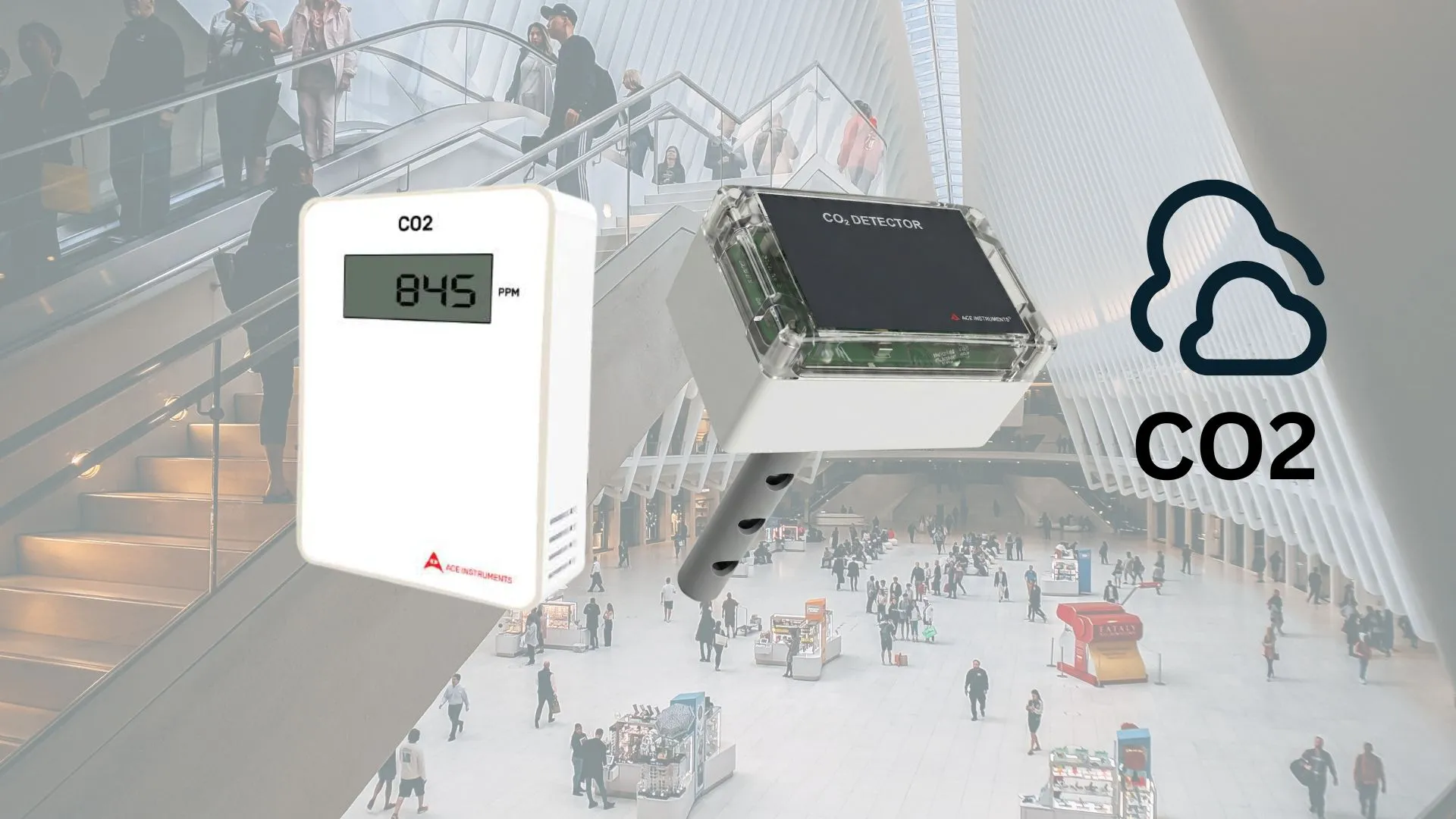
Carbon dioxide indoor air quality standards set the acceptable upper limit for indoor CO2 as a proxy for ventilation adequacy. ASHRAE 62.1-2022 treats 1,100 ppm as the acceptable limit, while WELL Standard v2 sets a stricter 800 ppm target tied to research on cognitive performance.
CO2 Threshold Reference
ASHRAE 62.1-2022 vs. WELL Standard v2 CO2 Targets
ASHRAE 62.1-2022's 1,100 ppm figure represents the point at which ventilation is considered acceptable for general comfort and odor control, derived from minimum outdoor air rates per person and per floor area. WELL Standard v2's 800 ppm target is deliberately more conservative, reflecting growing research interest in cognitive performance effects at concentrations still well below any occupational exposure limit.
Building owners citing GRIHA 2019 in India should note that GRIHA's indoor air quality criteria reference the same ASHRAE 62.1 CO2 thresholds rather than setting an independent Indian standard, so a building designed to ASHRAE 62.1-2022 CO2 targets is already aligned with GRIHA's expectations on this parameter.
The Research Behind CO2 Standards
A widely cited 2015 Harvard study found measurable declines in cognitive function test scores as CO2 rose from roughly 600 ppm to 1,400 ppm in controlled office-like conditions, well within the range many buildings reach during occupied hours without active ventilation control. The SINPHONIE 2012 study of European classrooms separately found that over half of surveyed rooms exceeded 1,000 ppm CO2 during school hours, reinforcing why educational institutions are treated as a priority application for continuous CO2 monitoring.
OSHA Occupational CO2 Exposure Limits
OSHA's occupational exposure limit of 5,000 ppm as an 8-hour time-weighted average sits in a different category from ASHRAE and WELL targets: it addresses physiological tolerance in industrial settings rather than comfort or cognitive performance, and is far above the levels at which a commercial building's ventilation would normally be considered adequate.
Why Ace Instruments
Ace Instruments has manufactured air quality and environmental monitoring instruments from its 10,000 sq.ft Hyderabad facility since 1991, with more than 1,000 installations worldwide. Every IAQ Detectors instrument referenced in this article is CE certified and produced under an ISO 9001:2015 quality system.
FAQ
Q: What CO2 level is considered acceptable indoors?
A CO2 level below 1,100 ppm is considered acceptable indoors under ASHRAE 62.1-2022, with WELL Standard v2 setting a stricter 800 ppm target.
Q: What is WELL Standard v2's CO2 target?
WELL Standard v2's CO2 target is below 800 ppm, reflecting research on cognitive performance at concentrations below typical occupational exposure limits.
Q: What CO2 level is dangerous?
A CO2 level above 40,000 ppm is immediately dangerous and can cause loss of consciousness, while levels above 5,000 ppm exceed the OSHA 8-hour occupational exposure limit.
Q: What did the Harvard 2015 CO2 study find?
The Harvard 2015 study found measurable declines in cognitive function test scores as indoor CO2 rose from roughly 600 ppm to 1,400 ppm under controlled conditions.
Know the latest trends in IAQ solutions from the Ace Instruments team


Get inspired and learn more
Instruments that exceed your technical expectations
Comprehensive and customized IAQ solutions for all applications

